
Introductory Courses in Art Therapy
The Introductory Courses in Art Therapy offer a first approach to the conceptual framework of the discipline, its origins, fundamental principles and fields of application, providing an initial theoretical base to understand art therapy practice from a psychodynamic approach. Throughout 5 days of intensive training, the role of the art therapist, the therapeutic framework and the artistic-therapeutic processes are explored in depth through the analysis of real cases, facilitating a clear and meaningful integration between theory and practice.
Why take an Introductory Course at Metàfora?
Taking an Introductory Course at Metàfora allows you to clearly understand what art therapy is (and what it is not) and how it is practiced. It combines the theoretical framework and direct group experience, offering a space to explore whether this therapeutic approach connects with your personal or professional moment.
With more than 25 years of trajectory, Metàfora has consolidated itself as a reference centre in art therapy training, aligned with the main national and international professional standards.
Who is the Training aimed at?
The Introductory Courses are aimed both at people who wish to approach art therapy for the first time and at those who are considering starting a deeper training in this discipline.
Each year, Metàfora brings together students of different nationalities and professional trajectories, creating a diverse and enriching international community.
Our Introductory Courses


“This course opened something in me. It was emotional, inspiring, and made me see art in a completely new way.”
Anna Müller, Germany
How is it structured?
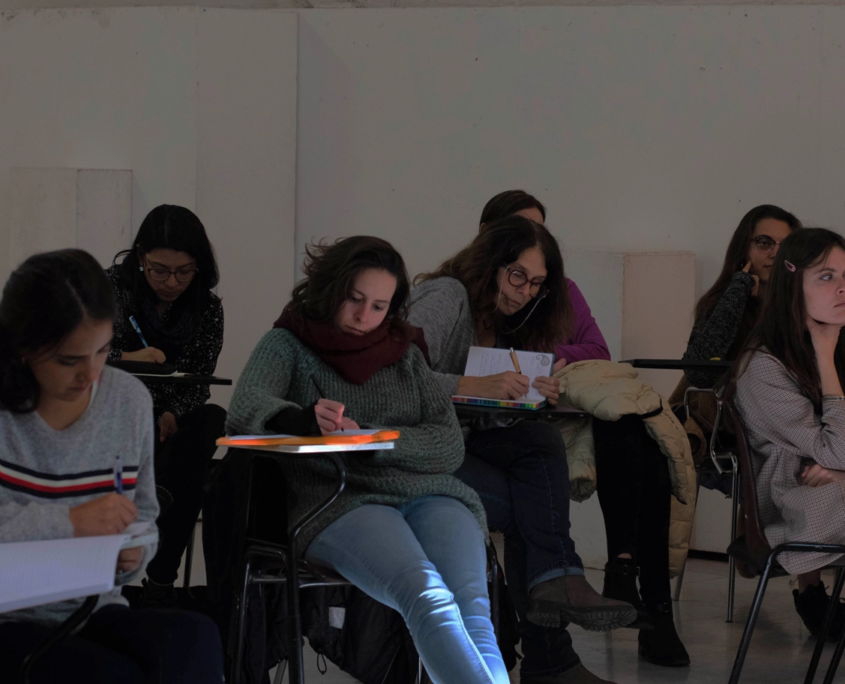
The Introductory Courses have a duration of five days in an intensive format.
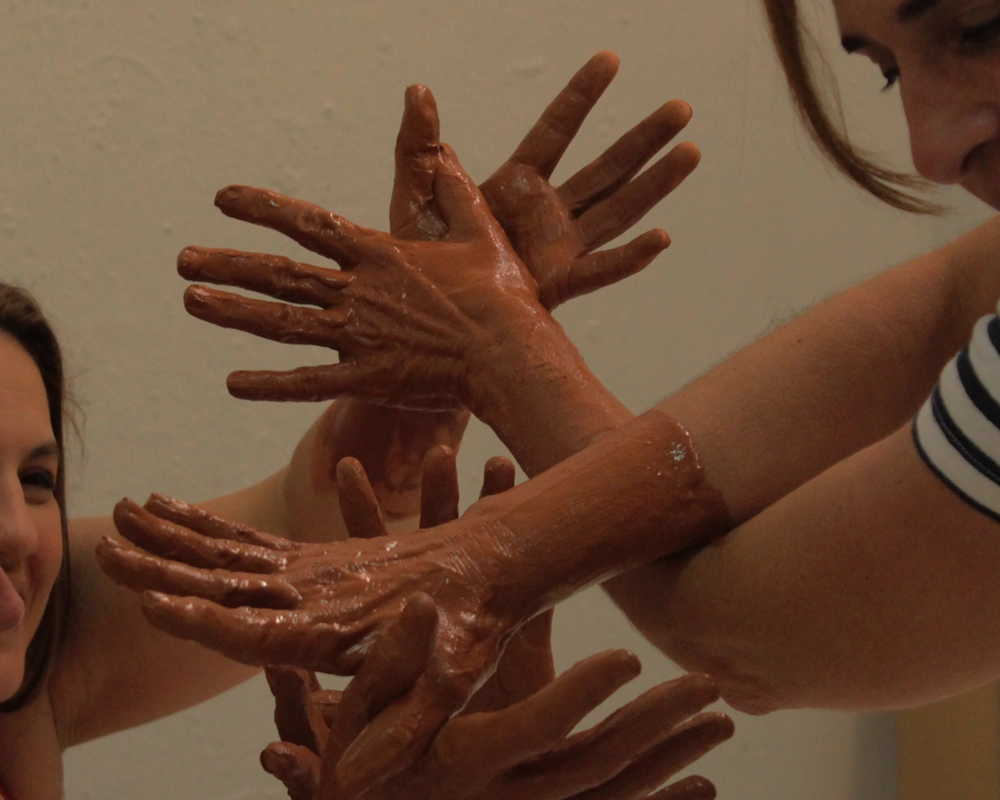
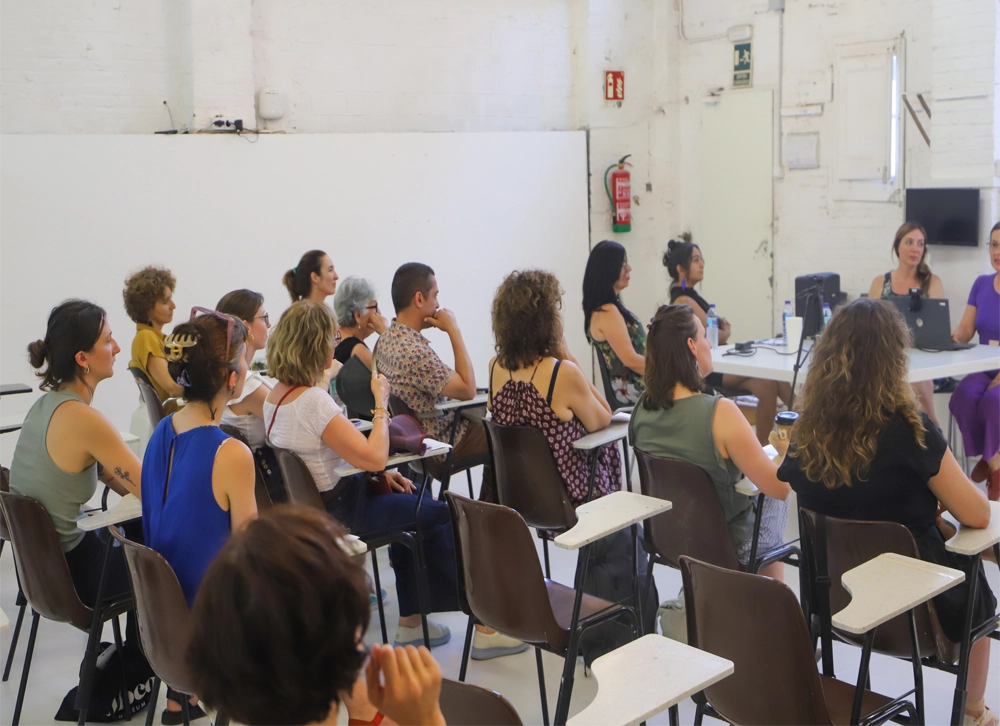
During the week the theoretical classes and the presentation of cases take place, and the weekend is dedicated to experiential group work.
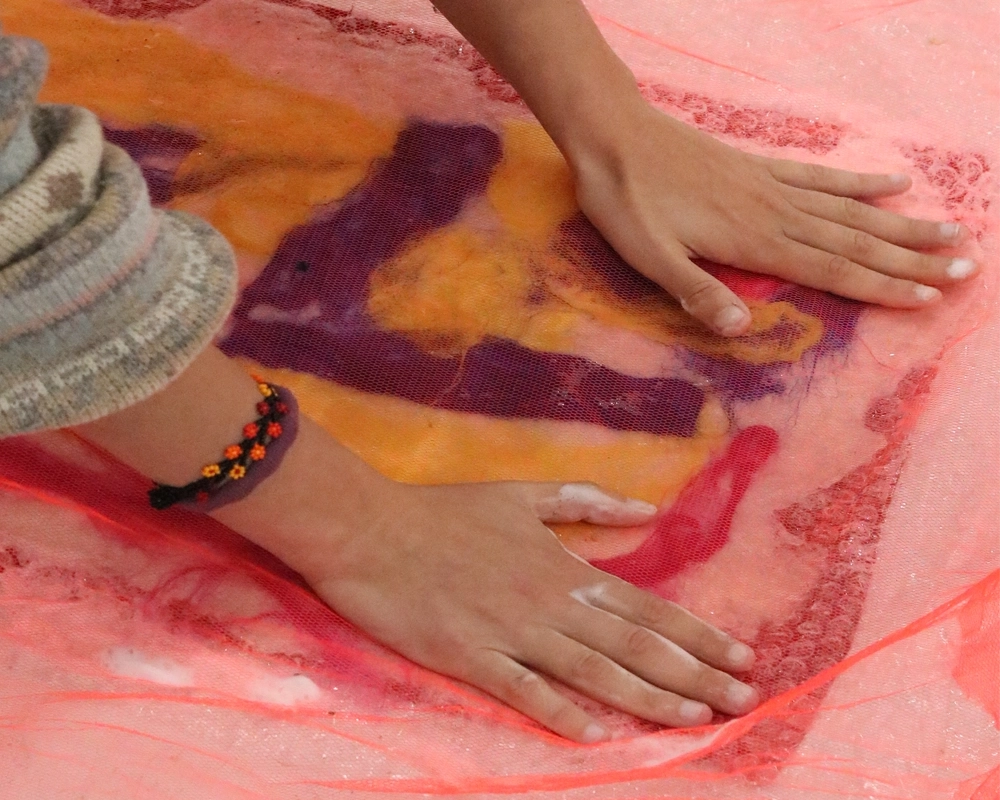
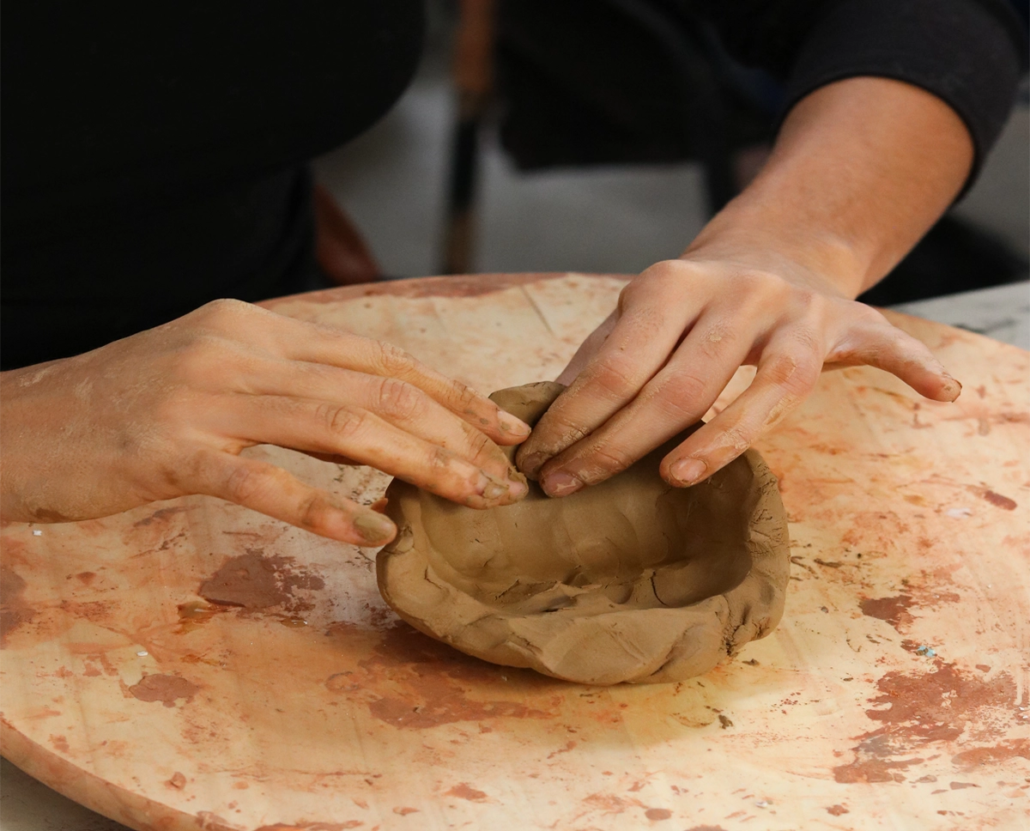
The combination of both spaces allows understanding art therapy from the professional framework and, at the same time, experiencing the process from one’s own experience.
Download the Program


Frequently Asked Questions
What are the entry prerequisites for the introductory courses? There are no previous requirements to take an introductory course; it is enough to have an interest in learning about art therapy. Introductory or initial courses offer a theoretical-practical approach to art therapy and make it possible to become familiar with Metàfora’s approach and teaching methodology in this profession.
Do I need previous experience in art or psychology? You can access Metàfora’s courses without previous experience in psychology or art, except if you wish to take the Master’s in Art Therapy, for which you will be able to acquire this experience by taking the Postgraduate programme.
Are the online classes recorded? For reasons of confidentiality and protection of the group space, the classes are not recorded. In addition, at Metàfora we consider that live participation encourages deeper and more meaningful learning. During the sessions, dynamics and experiences are carried out that require the active presence of the students in real time.
Who determines what Art Therapy training should be like? In countries where art therapy is registered as an independent profession (UK, some states in the USA…), the departments of health and/or education together with the professional associations of art therapists determine what art therapy training should be like. In countries where art therapy is not yet registered by the State, such as Spain, the professional associations of art therapists are the only institutional bodies that decide what the training of future professionals should be like. In Spain these are the ATe (Spanish Association of Art Therapists) and the FEAPA (Spanish Federation of Art Therapy Associations). In turn, the ATe follows the recommendations of the BAAT in the UK and the AATA in the USA.
Is a certificate obtained at the end of the course? Metàfora issues a certificate of studies or ‘transcript’ in two languages: Spanish and English. This document specifies the subjects and the modules or areas of knowledge to which they belong, as well as the number of ECTS credits that correspond to them. This document can be used to equate our training with that of other countries.
Do you have questions? Contact us!
PROGRAMS ACCREDITED BY:

MEMBERS OF: